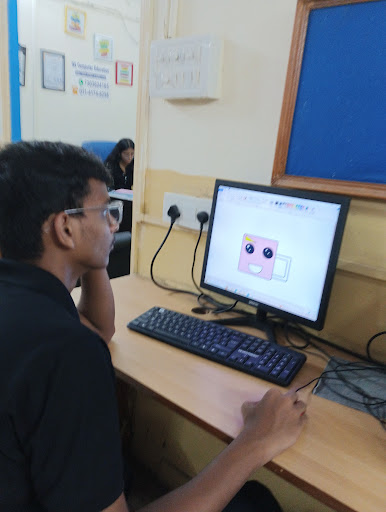
Data Analyst Course in South Ex
Are you looking for a data analyst course in South Ex to develop practical skills in data analysis, reporting and business insights? Data analysis is used across industries to organise information, identify patterns, track performance and support better business decisions.
A structured training programme can help beginners understand how to collect, clean, analyse and present data using commonly used tools such as Microsoft Excel, SQL and Python. With regular practice and project work, learners can build a foundation for further study and data-related career opportunities.
Join a Data Analytics Course in South Ex
A data analytics course in South Ex can introduce you to the process of turning raw information into useful insights. Instead of working only with theory, you can practise analysing datasets, preparing reports and presenting findings in a clear format.
A comprehensive beginner-level curriculum may include:
- Fundamentals of data analysis and analytics
- Data collection, cleaning and organisation
- Excel formulas and functions
- PivotTables, charts and data summaries
- SQL queries and database fundamentals
- Python programming for data analysis
- Data visualisation and reporting
- Practical exercises and portfolio projects
The exact syllabus depends on the institute and course level. Before enrolling, ask about the tools covered, project work, batch timings and practical lab sessions.
Excel for Data Analysis in South Ex
Microsoft Excel is a useful starting point for learners who want to understand data analysis. It allows users to organise information, calculate results, identify trends and prepare reports without needing to write complex code for every task.
Excel for data analysis in South Ex may cover:
- Essential formulas and functions
- Sorting, filtering and data validation
- Conditional formatting
- IF, SUMIFS, COUNTIFS and lookup functions
- Data cleaning and duplicate removal
- PivotTables and PivotCharts
- Charts, summaries and reporting dashboards
These skills can be applied to sales reports, student records, expense tracking, inventory summaries and many other everyday business tasks.
Learning Excel first can also make it easier to understand data tables, calculations and reporting concepts before moving to SQL and Python.
Python for Data Analytics in South Ex
Python is a programming language widely used for data processing, analysis and automation. Python for data analytics in South Ex can help learners move beyond spreadsheet-based work and explore larger datasets using code.
Depending on the course, topics may include:
- Python fundamentals and data structures
- Variables, loops, functions and conditions
- Working with CSV and Excel files
- Data analysis using Pandas
- Numerical operations with NumPy
- Handling missing and duplicate data
- Grouping, filtering and summarising datasets
- Creating charts and visualisations
- Completing practical data analysis projects
For example, learners may analyse sales data, compare monthly performance or identify trends in a sample dataset. Such projects help demonstrate how programming can support repeatable analysis tasks.
You do not necessarily need previous programming experience to begin a beginner-level course, but you should confirm the entry requirements and whether Python fundamentals are included.
SQL Training in South Ex for Database Analysis
Many organisations store information in databases. SQL helps analysts retrieve, filter, combine and summarise information stored in relational database systems.
SQL training in South Ex may cover the following concepts:
- Database and table fundamentals
- SELECT statements
- WHERE conditions and sorting
- Aggregate functions such as COUNT, SUM and AVG
- GROUP BY and HAVING
- JOIN operations
- Subqueries and common data queries
- Inserting and updating records where appropriate
- Analysing datasets through practical exercises
SQL is especially useful when data is stored across multiple related tables. For example, an analyst may use SQL to examine customer orders, product sales or monthly transaction patterns.
Combining SQL with Excel and Python can help learners develop a more flexible approach to working with data.
What Will You Learn in a Data Analyst Course?
A practical data analyst course should explain the complete workflow, from understanding the business question to presenting the final findings.
Step 1: Understand the data. Learn about rows, columns, data types, tables and the questions an analysis needs to answer.
Step 2: Clean the dataset. Identify missing values, inconsistent formats, duplicate records and other common data-quality problems.
Step 3: Analyse the information. Use Excel formulas, SQL queries or Python libraries to calculate metrics, compare categories and identify trends.
Step 4: Visualise the findings. Present information through charts, tables and dashboards that are easy to interpret.
Step 5: Communicate the results. Summarise the findings, explain limitations and present conclusions relevant to the original question.
Hands-on assignments and realistic datasets can help you practise each stage of this process.
Who Can Join Data Analytics Classes in South Ex?
A beginner-friendly data analytics course may suit:
- College students and recent graduates
- Working professionals interested in analytical skills
- Office staff who regularly prepare reports
- Learners familiar with Excel who want to advance
- Beginners interested in programming and databases
- Business owners who want to understand their data better
The most suitable course depends on your current knowledge and learning goals. If you are new to computers, starting with Excel and basic computer skills may be helpful before progressing to SQL and Python.
Career Opportunities After Data Analytics Training
Data analysis skills can be relevant to roles such as junior data analyst, reporting analyst, MIS executive and business reporting assistant, depending on the employer’s requirements and your overall skill set.
Employers may also look for spreadsheet proficiency, SQL knowledge, communication skills, analytical thinking and experience with dashboards or visualisation tools.
Completing a course does not guarantee a job. Building a portfolio with well-documented projects and practising how to explain your findings can help you demonstrate your abilities to prospective employers.
How to Choose the Right Data Analyst Course in South Ex
Before choosing a training programme, compare the syllabus and practical learning opportunities rather than relying on the course title alone.
Ask the institute whether the programme includes Excel, SQL and Python; whether you will work with real-world-style datasets; and whether you will complete projects independently. Also confirm the total fee, course duration, class schedule and support available for doubts and revision.
If you already know Excel, you may prefer a programme that focuses more on SQL, Python and advanced analytical projects. If you are a complete beginner, look for a course that teaches the fundamentals step by step.
Enquire About a Data Analyst Course in South Ex
If you want to learn Excel for data analysis, develop SQL skills or explore Python for data analytics, start by comparing the available training options and their practical components.
Contact the institute to ask about the current syllabus, fees, batch timings and admission process.
Call or WhatsApp 7303624165 to enquire about data analyst training in South Ex and find a learning path that matches your current skills and goals.
Frequently Asked Questions
For quick answers about eligibility, course topics, Python, SQL and Excel training, see the separate FAQ section below.
Data Analyst Course in South Ex – FAQs
Explore common questions about data analytics, Excel, SQL, Python training and beginner-friendly learning options.